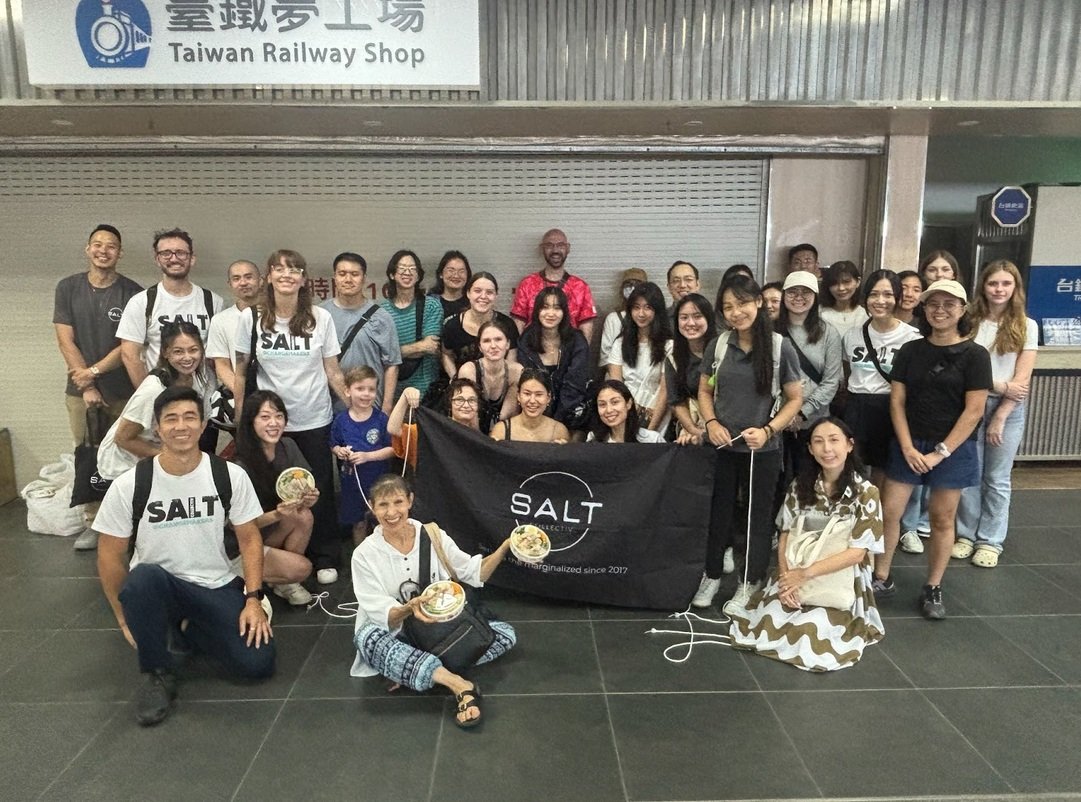
Listening at the Station: SALT’s Homeless Community Survey
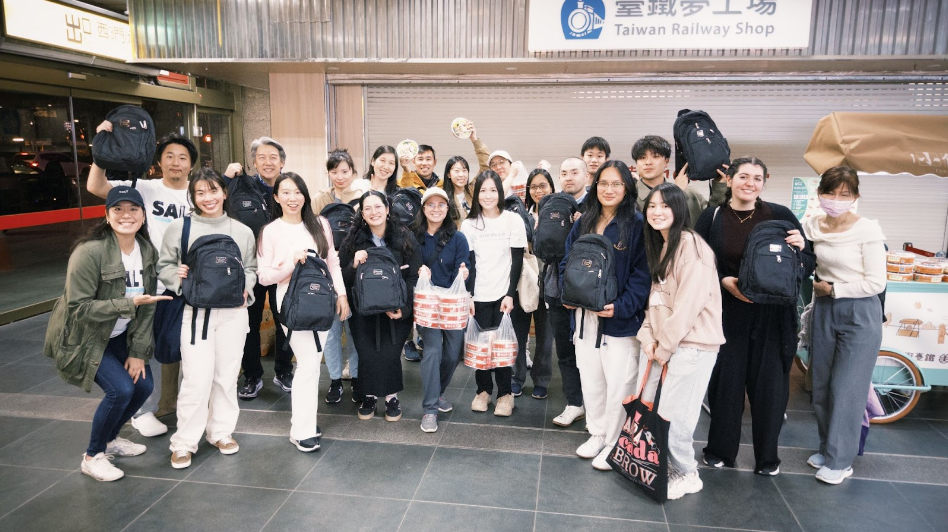
For the past seven years, SALT has delivered seasonal care packages as well as our regular meals to the homeless population at Taipei Main Station. This summer, we wanted to go deeper. We designed a survey to gather real data on care package items, service needs, and the demographics of those living without stable housing. Just as importantly, we invited people to share their experiences in their own words.
How we did it
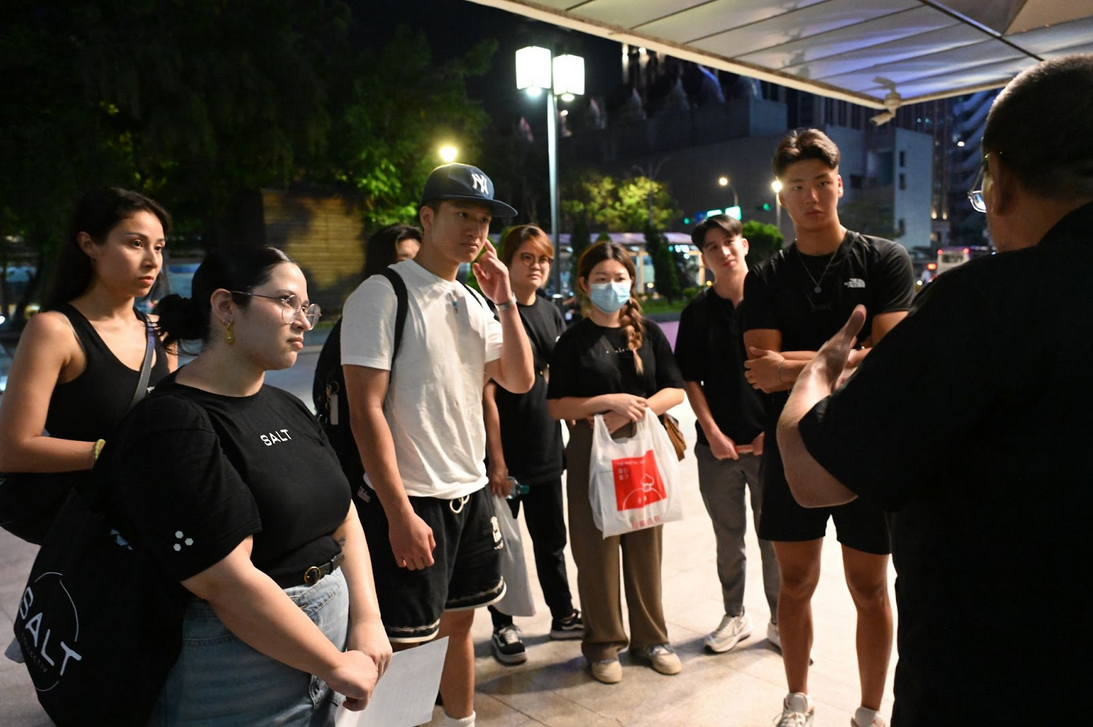
One of the challenges in surveying Taipei’s homeless community is that people without stable housing are not a static or a locationally bound population. They do not have fixed addresses and many move between locations depending on safety, weather, or routine. To make participation possible, we distributed paper surveys alongside our monthly evening bento distribution. Each survey included a pen, simple instructions, a prepaid envelope and a small gift (a packet of tissues) so respondents could complete the survey at their own pace and mail the completed survey at the Taipei Main Station post office.
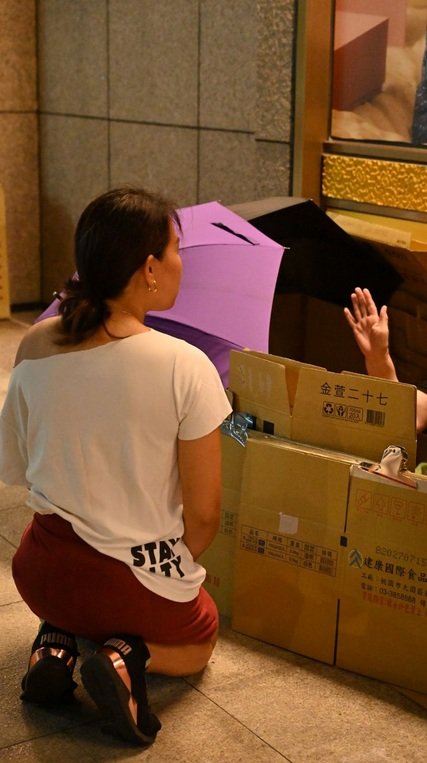
As we read through responses, we noticed a surprising regularity in how some individuals structured their lives. One man in his seventies, who has been homeless for over 15 years, described in detail where he sleeps each night of the week – outside one hotel on some evenings, and across from a station exit on others. Even in the midst of instability, people had developed rhythms that helped them navigate daily survival.
Who we heard from
- 50% of respondents were over 65 years old
- 33% were between 55–64
- 17% were between 45–54
- 75% identified as male, 25% as female
- 42% had been without stable housing for more than 3 years
- 33% for 1–3 years
- 25% for less than 12 months
What people said they need
Care package items
The top requests were for water or rehydration drinks, light clothing, and non-perishable snacks (each at 66.7%). Soap and leave-in dry hair shampoo (58.3%) and clean socks (58.3%) were also high priorities, followed by insect repellent to stave off mosquitos through the night (50%). Other items mentioned included toothbrush/paste, wet wipes, cooling towels, first-aid items, sunscreen, and feminine hygiene products.
Services
The most requested service was access to showers (66.7%), followed by job assistance and training (50%). Laundry, haircuts, mental health support, shelter referrals, and ID assistance were each selected by 41.7% of respondents. Medical care and legal aid were noted by 25%, while smaller numbers asked for addiction support and mail collection.
These findings echo what we see on the ground: survival needs like hydration, food, hygiene, and clothing are urgent, but many people are also seeking pathways toward stability and dignity through services that restore health, identity, and livelihood.
Voices from the station
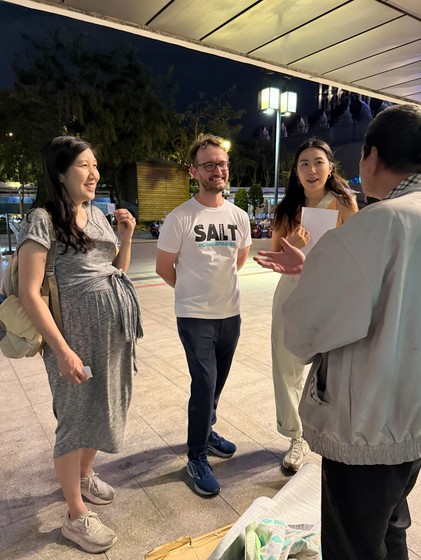
Beyond the numbers, the survey gave individuals the chance to share something of their lives.
One respondent John, writing in English, reflected at length on hardship, resilience, and gratitude. They described life as full of challenges, yet emphasized the importance of contentment, letting things flow, and meeting difficulties with a beautiful heart. They ended with a note of deep appreciation for the kindness they had received, saying that generosity would remain etched in their memory forever.
Another respondent, a fisherman in his fifties who has been without housing for between 1-3 years, recounted his life at sea, owning a fishing boat, and raising children in another city. After marital separation and issues with the ownership of his boat, he found himself estranged from his wife and eventually sleeping nightly at the station.
A woman in her fifties, without stable housing for only a few months, described a traffic accident that left her badly injured and hospitalized. With no work or income, she found herself at the station. Yet she also spoke with gratitude for the strangers who gave her clothes, food, and kindness during recovery. Gestures that, in her words, illuminated her path forward. She also mentioned that the transition to being without stable housing has been extremely difficult and that she has experienced verbal abuse and lack of compassion.
Others expressed more direct needs. A man in his forties, homeless for over three years, explained that without household registration he cannot access basic rights, and said what he needs most is a modest weekly living allowance.
One man in his seventies reflected on returning to Taiwan after over a decade abroad. He found a society that felt unfamiliar and isolating, and has now spent more than fifteen years moving between sleeping spots around the station.
Why it matters
This survey is part of how SALT stays true to our mission: to serve not only with food, but with dignity, care, and attention to real needs. By listening closely, we are reminded that homelessness is not abstract – it is lived by neighbours with names and stories. Every meal, every care package, and every act of connection is our way of saying: you are seen, you are valued, and you are not forgotten.